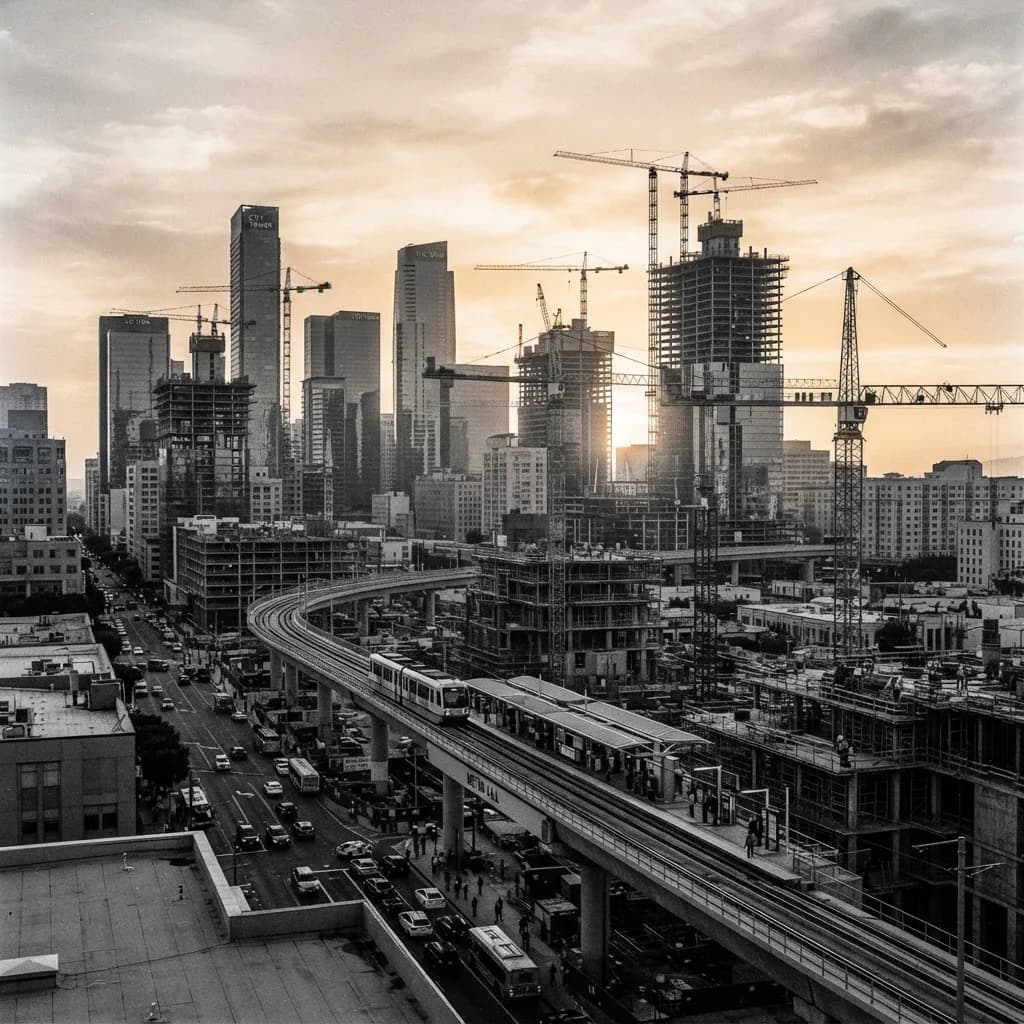
Goldman Sachs required a full return to the office in 2021, well ahead of most of its industry, and it was not long before a specific genre of LinkedIn post followed: an employee's photo of a skyline view from a desk, captioned with some version of gratitude for being 'back.' The mandate was a policy. The photo was a performance of status the policy made possible.
When working from anywhere became universally available, showing up in person stopped signaling diligence and started signaling something else — access to a role that requires or rewards physical presence, proximity to power, or simply the kind of job that still has a real office to return to.
The same commute that signals status to some signals constraint to others. A worker who has no choice but to appear because their role has no remote equivalent experiences an identical action as obligation rather than performance, and conflating the two undercounts who is actually burdened.
A secondary market of commute-adjacent services — Industrious and WeWork's short-lease co-working memberships near transit hubs, subscription office days — is emerging to let people perform enough presence to satisfy the signal without fully reversing the housing decisions the remote years encouraged.
The commute never stopped being about identity. Goldman's early mandate just made the performance visible years before most other firms forced their own employees to decide which version of it they were participating in.