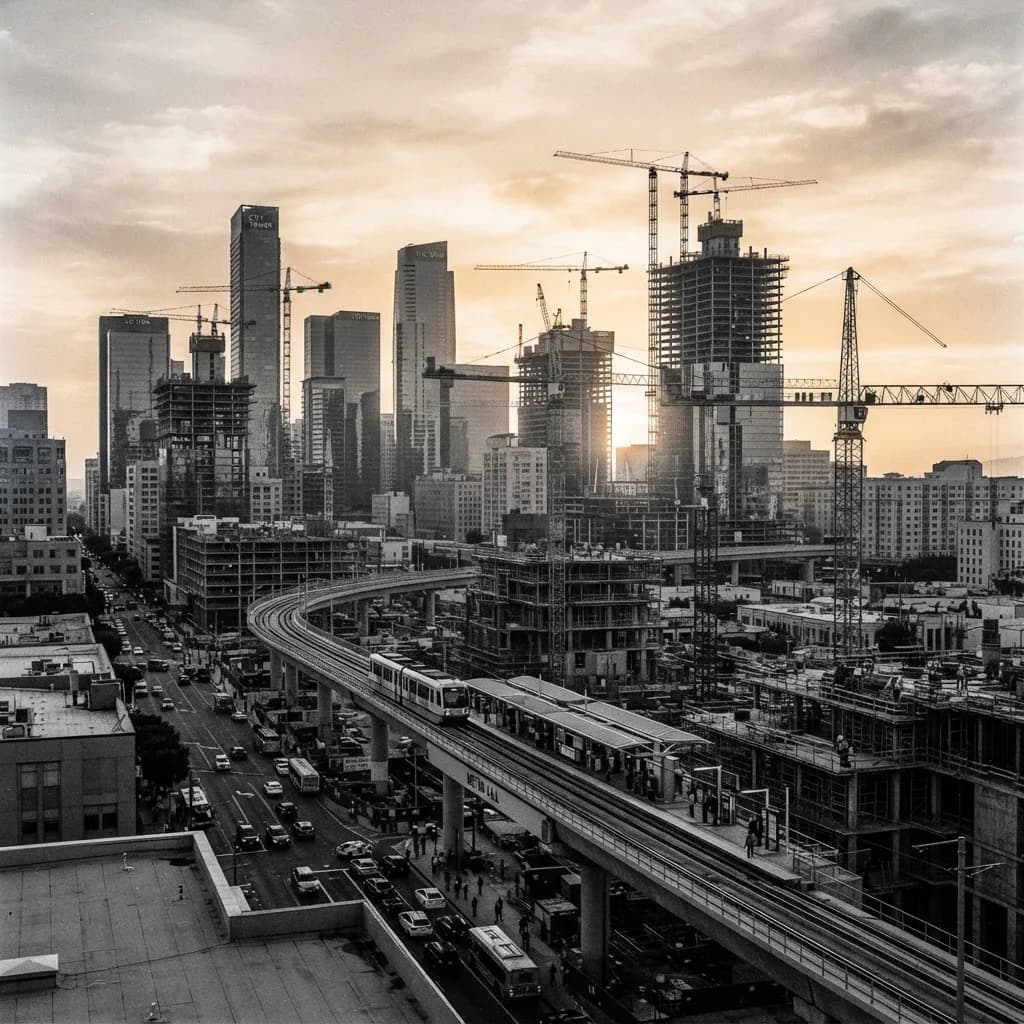
In a handful of fast-growing metros, city planners are making a bet that runs counter to most municipal instinct: building infrastructure not for today's population, but for the one they expect a decade from now.
The approach is called anticipatory urbanism, and it requires a particular kind of institutional courage — the willingness to spend today on people who do not yet vote in your city and may not for years.
The results, where it has been tried, are striking. Cities that built transit corridors before the density arrived to justify them have seen development cluster around those corridors. Cities that waited have watched development sprawl and then scrambled to build transit that the resulting density makes impossibly expensive.